How much of the housing crisis can we blame on endangered species?
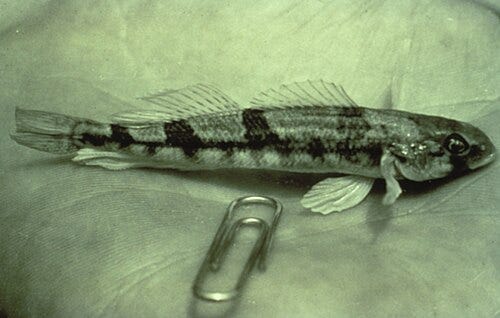

You may have heard about the effects of the Endangered Species Act on big construction projects — like the famous case of the tiny “snail darter” fish and its role in delaying the Tellico Dam in Tennessee. But what about the effects on more everyday construction?
Harvard econ grad student Maxwell Tabarrok has a nice Journal of Public Economics article (official, free PDF, blog summary) estimating how housing permits change in areas that see a nearby species listed as endangered under the law. Listing of animal species leads to a large drop in permitting rates (0.5 permits per thousand residents, or 10 percent of an average area’s permitting rate); de-listing a previously endangered species leads to a similar-scale increase in permitting.
Tabarrok’s methodology is to treat each listing/delisting as a policy change and then do a “difference in differences” comparison of permitting rates in places that have the species nearby (the treatment group) and those that don’t (control group). This is about the best you can do in the absence of an actual experiment or some source of truly random variation in species listing, though it leaves some room to question whether the Endangered Species Act is causing this slowdown in permitting.
Tabarrok’s accompanying blog post suggests that the Trump administration’s new interpretation of the ESA could greatly weaken its effects on housing construction. Specifically, the Trump team is junking the current interpretation that includes damage to habitats as a form of harm to endangered species, and embracing a new interpretation where the law only applies to literally, directly killing or injuring animals. Under the now-final rule, set to take effect in September unless courts block it, the ESA would go from a law that bans construction that might harm endangered species to one that bans hunting and poaching endangered species. (The exception is projects on federal land or with a “federal nexus,” like the famous Tellico Dam.)
I like housing construction, but conserving endangered species is also valuable. Tabarrok has nicely illustrated the costs of the law, and I’d love to hear more about the benefits and how to balance the two optimally.
- https://substackcdn.com/image/fetch/$s_!Fv6b!,f_auto,q_auto:good,fl_progressive:steep/https%3A%2F%2Fsubstack-post-media.s3.amazonaws.com%2Fpublic%2Fimages%2Fcecfebd1-23e9-4068-8160-aa3cada71092_500x318.jpeg
- https://en.wikipedia.org/wiki/Snail_darter_controversy#/media/File:Snail_darter_FWS_1.jpg
- https://en.wikipedia.org/wiki/Snail_darter_controversy
- https://www.sciencedirect.com/science/article/abs/pii/S0047272726001799?via%3Dihub
- https://mtabarrok.com/files/environmental-land-use-regulation.pdf
- https://www.maximum-progress.com/p/the-end-of-the-endangered-species
- https://www.doi.gov/pressreleases/trump-administration-finalizes-endangered-species-act-regulation-reform