The Hostile Turn in Administrative Procedure, and the Ad Hoc Exceptions
“Abundance” as a movement has a set of diagnoses of what’s wrong with US public policy, and how to fix it, but it also has a historical narrative behind it, which goes something like this: the US used to be able to build stuff, fast. Starting in the 1970s, we lost our ability to build stuff. Zoning got tighter, permitting energy projects got harder, red tape got thicker all around.
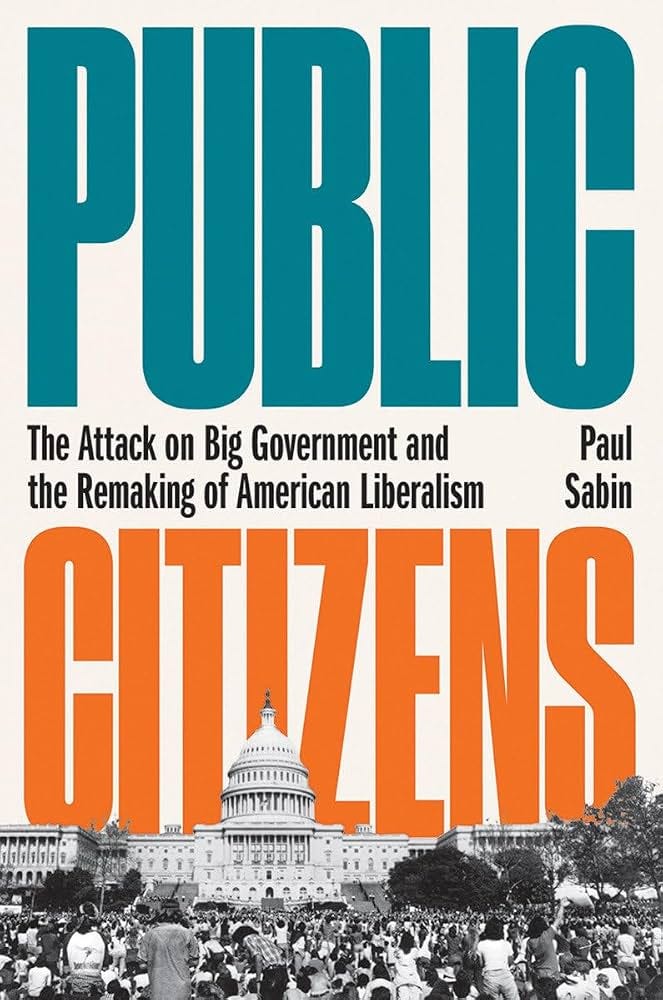
Alex Mechanick, a professor at Johns Hopkins and veteran of the Biden regulatory shop, calls this shift “the hostile turn,” and has a useful new post outlining what it actually consisted of. Drawing on Paul Sabin’s book Public Citizens (for my money, the single most important text on American abundance politics) he argues that the slew of new substantive rules in the ‘70s did not, by itself, lead to this sclerosis. The Clean Air Act and the Vehicle Safety Act did not, on their own, make it impossible to build. The hostile turn, instead, consisted in a set of procedural obstacles, sometimes set up in substantive laws like the National Historical Preservation Act, and sometimes in purely procedural measures like the National Environmental Policy Act (NEPA), “statutes that tied the hands of agencies through more and more onerous procedures, rather than a focus on regulating on the basis of scientific and economic expertise.”
That much of the story is probably familiar; NEPA in particular is a common target of criticism from abundance folks. But for Mechanick, the lesson is that procedural problems demand a procedural solution, and that begins by rethinking and revamping the Administrative Procedures Act (APA), the so-called “constitution” of administrative law in the US. This is a move that most commentators don’t make, and Mechanick takes it to some interesting places.
- https://substackcdn.com/image/fetch/$s_!ujNy!,f_auto,q_auto:good,fl_progressive:steep/https%3A%2F%2Fsubstack-post-media.s3.amazonaws.com%2Fpublic%2Fimages%2Fd08cb775-7eab-4dfd-bd8e-04d68a4f6f59_663x1000.jpeg
- https://artificialweights.substack.com/p/the-hostile-turn-in-administrative
- https://history.yale.edu/publications/public-citizens-attack-big-government-and-remaking-american-liberalism